
Luck versus skill Which drives your success in gambling
The Role of Luck in Gambling
Luck is an inherent element in gambling that influences outcomes across various games, from roulette to slot machines. For many, the notion of luck is alluring because it suggests that anyone can win big without needing extensive knowledge or experience. While it’s true that luck can lead to significant wins, it’s essential to recognize that these fortunate moments are often fleeting and unpredictable. As a gambler, relying solely on luck can lead to erratic results, making it challenging to sustain long-term success. Many players find that using an octa fx trading app can help balance their understanding of luck and skill in their gambling strategies.
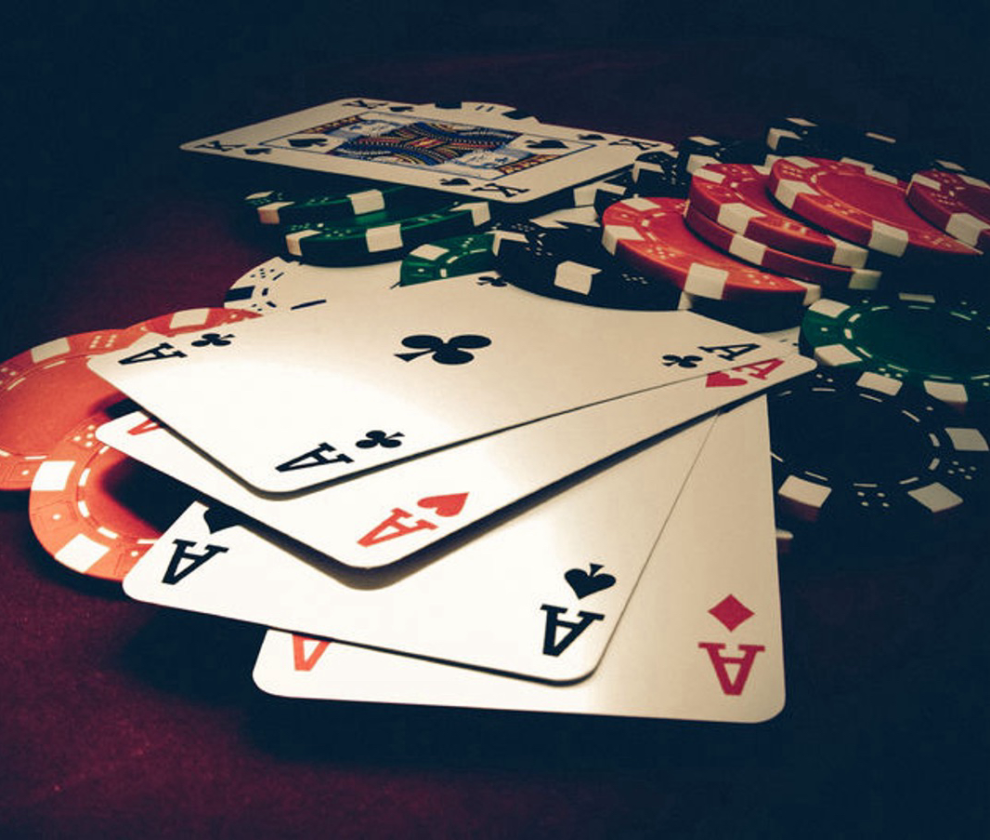
The concept of luck also introduces an exciting thrill to gambling, where players hope for favorable outcomes. For instance, in games like poker, a bad hand can be turned into a win through sheer luck, such as drawing an incredible card on the river. This unpredictability keeps players engaged and emotionally invested in the game. However, it’s essential to understand that luck does not provide a reliable strategy for consistent success in gambling, as it is inherently random and uncontrollable.
Moreover, while luck plays a significant role in the short term, statistics show that over a longer period, the outcomes will reflect the skill level of the players involved. Many gamblers, especially novices, may overlook this aspect. They often equate a few lucky streaks with a sound gambling strategy, which can be misleading. Thus, while luck is a driving factor in gambling, it should not be considered the sole contributor to success.
The Importance of Skill in Gambling
Skill represents the ability to make informed decisions, manage bankrolls, and employ effective strategies in gambling. Unlike luck, which is beyond a player’s control, skill can be developed through practice and experience. In games like poker or blackjack, skilled players utilize strategies that maximize their chances of winning and minimize losses. For example, a skilled poker player understands not only the odds but also the psychology of their opponents, allowing them to make calculated risks rather than impulsive decisions.
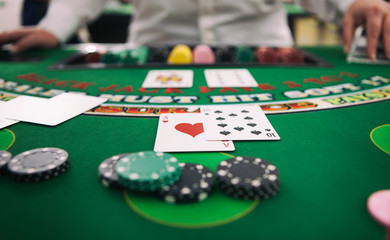
Moreover, mastering the rules and strategies of different games can significantly enhance a gambler’s potential for success. Knowledge about probability, risk management, and game mechanics can turn a novice into a formidable player. For instance, successful blackjack players use card counting techniques to keep track of the cards that have been played, giving them a better understanding of the odds of getting favorable cards. This strategic edge often separates successful players from those who rely solely on luck.
Additionally, skill enables players to make more informed betting choices, assess their financial limits, and recognize when to walk away. Many skilled gamblers view gambling as a long-term investment rather than a chance-based endeavor, which helps them to stay disciplined even during losing streaks. Therefore, while luck may provide temporary advantages, skill is crucial for achieving sustainable success in gambling.
The Balance Between Luck and Skill
The dynamic interplay between luck and skill creates an intriguing landscape in gambling. Some games, such as slots, lean heavily on luck, while others, like poker, demand a higher level of skill. This dichotomy highlights the importance of understanding which games align more closely with a player’s strengths. For instance, a player who is adept at reading opponents may thrive in poker, while those who prefer pure chance may find enjoyment in games of luck.
Moreover, recognizing the balance between luck and skill can help gamblers manage their expectations. Gamblers who understand that luck can fluctuate will be better prepared to handle losses. This understanding fosters a more responsible approach to gambling, allowing players to focus on improving their skills while remaining aware of the role luck plays in their outcomes. Ultimately, this balance can lead to a more enjoyable and sustainable gambling experience.
Additionally, integrating both elements can enhance a player’s overall strategy. For instance, a skilled gambler might capitalize on lucky streaks while remaining vigilant about when to stop gambling. By acknowledging the transient nature of luck, players can maximize their moments of fortune while employing strategies that leverage their skill. This approach not only fosters success but also contributes to a more responsible gambling mindset.
The Psychology of Gambling: How Luck and Skill Affect Behavior
The psychology of gambling is deeply intertwined with perceptions of luck and skill. Many players often develop a belief system around their gambling habits, which can influence their approach to both luck and skill. For instance, some might adopt a “lucky charm” mentality, believing certain rituals or items can enhance their chances of winning. This psychological aspect can skew their understanding of success, attributing it to luck rather than the strategic thinking that may be at play.
Additionally, the concept of “loss aversion” plays a significant role in gambling psychology. Players tend to feel the pain of losing more acutely than the pleasure of winning, which can lead to chasing losses in the hope of regaining control. This behavior can overshadow the importance of skill, as players may abandon sound strategies in favor of a desperate attempt to regain lost money. Understanding these psychological factors is essential for navigating the gambling landscape effectively.
Furthermore, educational resources and self-awareness can empower players to make better decisions. By recognizing the psychological traps associated with gambling, individuals can shift their focus from purely luck-based thinking to a more balanced perspective that values skill and strategy. This shift not only enhances their chances of long-term success but also fosters a healthier relationship with gambling.
Conclusion: Finding Your Path in Gambling
In conclusion, both luck and skill play pivotal roles in determining success in gambling. While luck can provide sudden and exciting wins, it is skill that ultimately leads to sustainable success. Gamblers who invest in learning the intricacies of games and developing their strategic skills are more likely to enjoy long-term benefits. Understanding the interplay between these two elements can foster a more holistic approach to gambling, allowing players to enjoy the thrill while making informed decisions.
As you navigate the world of gambling, consider your strengths and preferences to find a balance that works for you. Whether you lean towards games of chance or those requiring skill, remember that responsible gambling and continuous learning are key to enhancing your experience. As you engage with these strategies, you may discover your unique path to success in gambling.