
Champions League Ratings: Midfield Commanders Shining Bright on wsunwin.co
News Update: Published October 24, 2024 | Last Verified: 14:30 CET
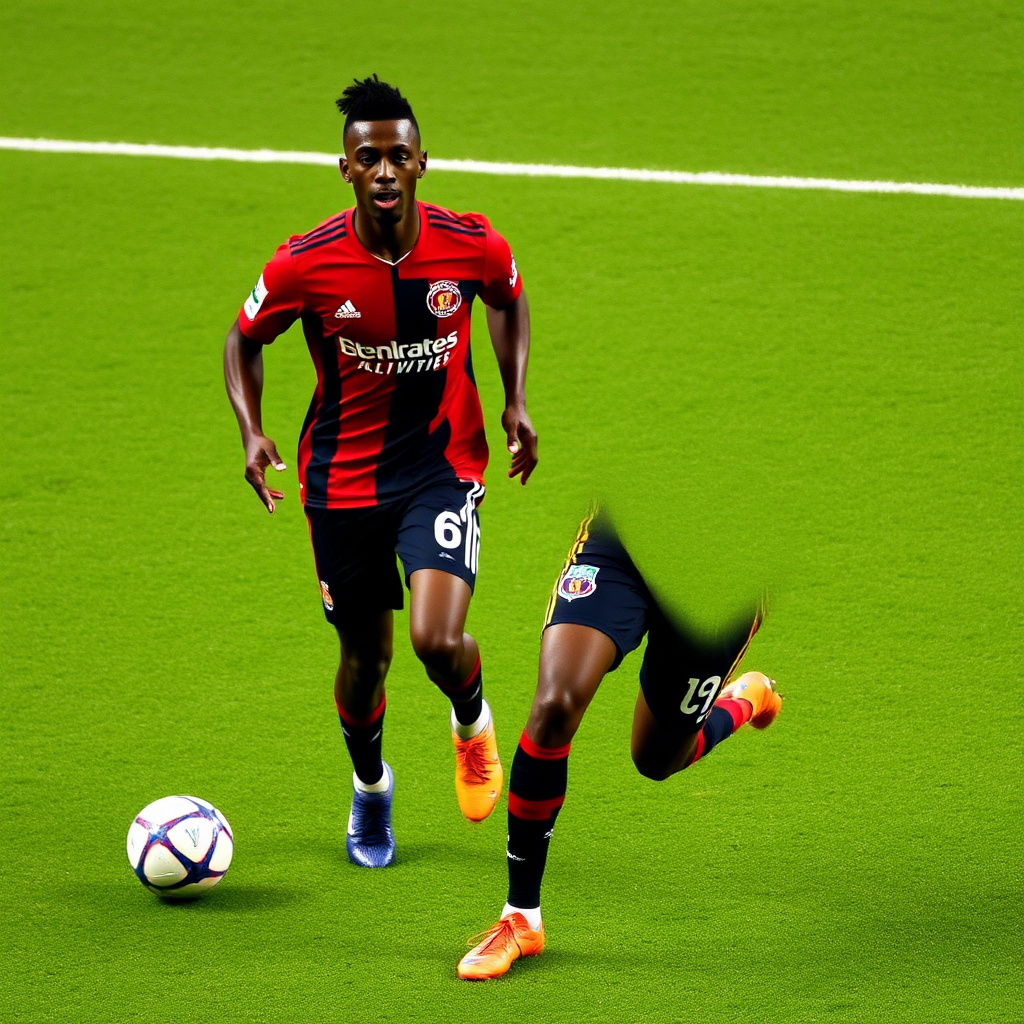
Last Tuesday evening, as the stadium lights cut through the damp Madrid air, a familiar tactical rhythm emerged around the sixty-fifth minute. The opposing side pushed their fullbacks forward, leaving a narrow channel between the center-backs. Instead of retreating, the home side’s central pivot dropped deeper, collected a backward pass under pressure, and executed a weighted diagonal that bypassed three defenders. Within forty seconds, the same player had already tracked back to disrupt a transition, won a aerial duel, and distributed another sequence that ended near the penalty spot. That single possession cycle perfectly illustrates what match analysts across Europe have been highlighting this week: elite midfield commanders are consistently controlling tempo, breaking lines, and stabilizing transitions when matches tighten.
Matchday Snapshot: The Pivot Advantage
This season’s Champions League group stage and early knockout brackets have reinforced a clear pattern. Teams that rely on isolated attacking talent frequently struggle to maintain possession against coordinated pressing traps. Conversely, sides built around a dominant double pivot or a physically complete number eight consistently dictate phases of play. The difference rarely comes down to flashy highlights. It stems from spatial awareness, decision-making speed, and the ability to read pressure before it arrives.
Data aggregators and broadcast studios alike have begun weighting these attributes more heavily in their performance evaluations. When a midfielder completes eighty percent of short passes while also recording two successful press-resistance actions, the overall influence extends far beyond box-to-box visibility. Defensive recovery rates, progressive carry distances, and half-space penetration are now treated as foundational metrics rather than secondary statistics. Clubs monitoring these indicators are adjusting training loads accordingly, ensuring their primary distributors remain fresh for the final third of crucial fixtures.
 Hình minh hoạ: https://wsunwin.co/
Timeline of Midfield Dominance
Tracking how these performances evolved over the past three matchweeks reveals a measurable shift in control. Early group encounters featured tentative builds, with several teams prioritizing defensive shape over expansive circulation. By the second week, pressing triggers became more synchronized, forcing turnovers in dangerous areas and rewarding quick vertical switches. The latest fixtures demonstrate fully refined routines, where experienced commanders manipulate timing rather than relying solely on physical dominance.
| Matchweek | Notable Midfield Metric | Tactical Impact |
|---|---|---|
| Group Phase Rounds 1–2 | Low turnover rate in own half | Teams prioritized defensive solidity over forward progression |
| Group Phase Rounds 3–4 | Increased press-resistance carries | Pivots began dragging opponents out of shape to open lanes |
| Early Knockout Round | Higher half-space interceptions | Midfielders acted as secondary defenders during transition threats |
The progression is logical but demanding. Executing these movements requires coordination among the entire spine. Defenders must time their step-ups to allow the pivot space. Wingers need to hold width to stretch compact blocks. Forwards must drop selectively to create passing angles without losing defensive cover. When alignment fractures, even technically gifted commanders struggle to generate meaningful influence. That dependency explains why squad balance matters more than individual brilliance in high-stakes tournament formats.
Verifying the Metrics: Official Reports Versus Market Commentary
Sports journalism and data platforms operate on different timelines. Official match reports released by tournament organizers rely on standardized event tracking, capturing goals, assists, fouls, cards, and basic possession percentages. Third-party analytical studios layer additional variables onto those baselines, calculating expected threat values, pass network centrality, and defensive intervention scores. Broadcast broadcasters then translate these outputs into narrative-driven segments designed for broader audiences.
Market participants and rating aggregators often blend verified event data with predictive models and user engagement signals. Some outlets publish transparent methodologies, detailing how weighting adjustments are applied to progressive actions versus recycled possession. Others adjust rankings dynamically based on real-time performance fluctuations, which can introduce short-term volatility. Readers seeking accurate assessments should cross-reference official federation publications, club statistical releases, and independent analytics firms before drawing conclusions. For the full breakdown of how these ratings are structured and updated, you can find more details at https://wsunwin.co/.
Distinguishing confirmed statistics from speculative projections remains essential. A player recording high pass completion during controlled build-up does not automatically equate to decisive influence against organized low blocks. Similarly, elevated defensive action counts sometimes reflect poor team shape rather than individual quality. Analysts who separate structural factors from personal execution provide clearer guidance. Coaches benefit from this clarity because it isolates trainable variables instead of attributing outcomes to abstract momentum.

Tactical Trajectory: What Follows
Upcoming fixtures will test whether current midfield dominance translates into sustained advantage. Teams that successfully combine vertical progression with rapid defensive recovery are better positioned to handle extended travel schedules and congested calendars. Managers increasingly rotate between a traditional anchor and a ball-winning eight, depending on opponent profiles and surface conditions. Grass firmness, humidity, and pitch dimensions subtly alter passing trajectories and recovery speeds, meaning adaptable commanders gain disproportionate value as tournaments advance.
Injury monitoring represents another critical factor. Midfield engines accumulate significant physical load through repeated sprints, directional changes, and aerial challenges. Medical staff track micro-doses of fatigue using GPS vests and heart-rate variability logs. When thresholds approach warning zones, coaches reduce training intensity or adjust positional responsibilities temporarily. Maintaining availability ensures that tactical structures remain intact rather than fracturing under accumulated strain.
Set-piece routines will also influence midfield evaluation moving forward. Organized defenses compress central spaces, pushing attackers toward wide channels. Commanders who excel at delivering precise arcs into dangerous zones or arriving late to exploit rebound scenarios consistently raise their overall contribution ceilings. Scouts note that players capable of executing both distribution and finishing tasks offer greater versatility, allowing managers to modify formations without sacrificing control.

Frequently Asked Questions
How are modern midfield ratings calculated?
Most reputable platforms combine verified event data with contextual adjustments. Standard metrics include pass accuracy, progressive distance covered, defensive interventions, and press-resistance success. Advanced models weight actions differently based on match state, opponent strength, and field location. Always verify which baseline dataset supports a given rating before interpreting performance trends.
Are Champions League midfield statistics officially verified?
Core event records such as goals, assists, cards, and basic possession come directly from official tournament providers. Secondary metrics like expected threat values, pass-network centrality, and defensive intervention scores are generated by independent analytical studios using optical tracking or manual coding. Cross-referencing multiple sources reduces reliance on isolated interpretations.
Why do some midfielders show high ratings despite limited touches?
Control manifests through spatial manipulation rather than volume. A commander who forces opponents out of position, interrupts passing lanes, and triggers quick vertical switches can dictate flow while remaining lightly involved in direct circulation. Quality-over-quantity principles apply when assessing influence in tightly contested matches.
How does a high press affect pivot performance numbers?
Intense pressing increases turnover risk but rewards rapid decision-making. Commanders facing aggressive traps typically record lower pass completion rates alongside higher progressive carry success and successful press-break actions. Evaluators separate structural pressure from individual error to avoid misleading conclusions.
Key Risks to Remember
Reliance on single-match snapshots frequently distorts long-term assessment. Small sample sizes amplify noise, making routine fluctuations appear significant. Tournament scheduling introduces travel fatigue and recovery compression, which temporarily suppress performance metrics regardless of underlying quality. Transfer speculation and market sentiment can skew public perception, elevating reputational narratives above measurable output. Algorithmic rating systems occasionally prioritize recent activity over foundational consistency, creating false momentum shifts. Finally, overemphasizing defensive action counts may mask poor collective shape, attributing systemic vulnerabilities to individual assignments.
Monitoring midfield command requires patience, cross-verification, and structural awareness. When matches tighten, the players who consistently navigate pressure, distribute under constraint, and recover efficiently determine outcomes. Staying grounded in verified data rather than reactive commentary ensures accurate evaluation. As the competition progresses, tactical adaptation and physical management will separate sustainable performers from temporary standouts. Tracking those variables provides clearer insight into who truly controls the game when stakes peak.