
Inter Milan Form in Champions League: Latest Update and Tactical Assessment
Editorial Timestamp: Data cross-referenced with official UEFA match documentation and club press releases as of the current competition window.
Inter Milan’s current trajectory in the Champions League demonstrates a squad that has firmly committed to structural control rather than expansive risk-taking. The team’s recent match outcomes point to a deliberately calibrated system emphasizing mid-range pressing, disciplined lateral spacing, and efficient transitions from defense to attack. Rather than depending on sporadic moments of individual improvisation, the coaching staff has built a framework that prioritizes territorial dominance, structured build-up play, and high-probability shooting zones. This methodology has resulted in steady advancement through early tournament stages, while simultaneously exposing the physical demands of managing a deep squad across multiple competitions.
Recent Matchoutcomes and Immediate Squad Adjustments
The most recent competitive entries for Inter Milan have highlighted a clear pattern of tactical adaptation based on opponent characteristics. When facing teams that commit heavily to forward runs, the back three adjusts its line height to compress passing lanes, forcing opposition carriers into wide channels where secondary defenders can intercept or force backward distribution. Conversely, against sides that sit deep and absorb pressure, the midfield pivot operates with wider positioning, creating numerical superiority in central corridors and enabling progressive passes into half-spaces. These adjustments occur between fixtures and are communicated through video review sessions and localized training drills focusing on shape maintenance during phase transitions.
Squad availability continues to influence rotation strategies. The medical and performance monitoring units track workload metrics closely, particularly among central midfielders and wide attackers who cover significant ground during pressing sequences. Managers utilize controlled rest cycles to preserve explosive capacity for knockout-stage intensity, which explains the measured deployment of certain starters in earlier round matches. Younger academy graduates occasionally feature in lower-stakes scenarios, providing competitive minutes while allowing established performers to manage fatigue levels. This developmental approach does not disrupt core tactical continuity; instead, it reinforces systemic familiarity across deeper roster tiers.
 Hình minh hoạ: 789club
Historical Context and Group Phase Foundations
Inter Milan’s presence in European elite competition rests on a foundation of sustained investment in positional discipline and physical conditioning. Over recent campaigns, the club has transitioned from reactive counter-attacking setups to proactive territorial control, a shift that required extensive periodization planning and role specialization within unit groups. Defenders now operate with greater autonomy in reading pressing triggers, while forwards execute coordinated off-ball runs designed to split low blocks rather than rely on isolated dribbling exchanges. This evolution mirrors broader continental trends, where tournament success increasingly depends on structural cohesion rather than isolated talent bursts.
The group stage environment serves as a critical testing ground for these principles. Coaches evaluate how quickly the team regains possession after turnovers, how effectively wingers track back to support fullback overlaps, and whether center-backs maintain line synchronization when subjected to sustained diagonal switches. Historical data from previous tournaments indicates that clubs which master early-round pattern recognition typically carry those habits into elimination rounds. Inter’s current approach emphasizes reducing chaotic duels, favoring calculated distribution and patient buildup over hurried long balls or speculative crosses. This philosophy requires patience from supporters and analytical observers alike, yet it consistently yields higher chance quality and reduced defensive vulnerability.
Tactical Mechanics and Performance Tracking
Understanding Inter’s current form requires examining how specific phases of play interact under varying game states. During possession phases, the team utilizes a structured midfield triangle that dictates tempo shifts. When leading or controlling territory, short passing combinations circulate ball direction, drawing opponents out of compact shapes before switching play to exploit newly created spaces. When trailing or pressed high, the system accelerates forward distribution, targeting aerial duels in advanced areas or utilizing quick one-touch sequences to bypass second-line pressure. Transition recovery follows strict zonal assignments, with nearest players applying immediate containment while others retreat into predefined screening positions.
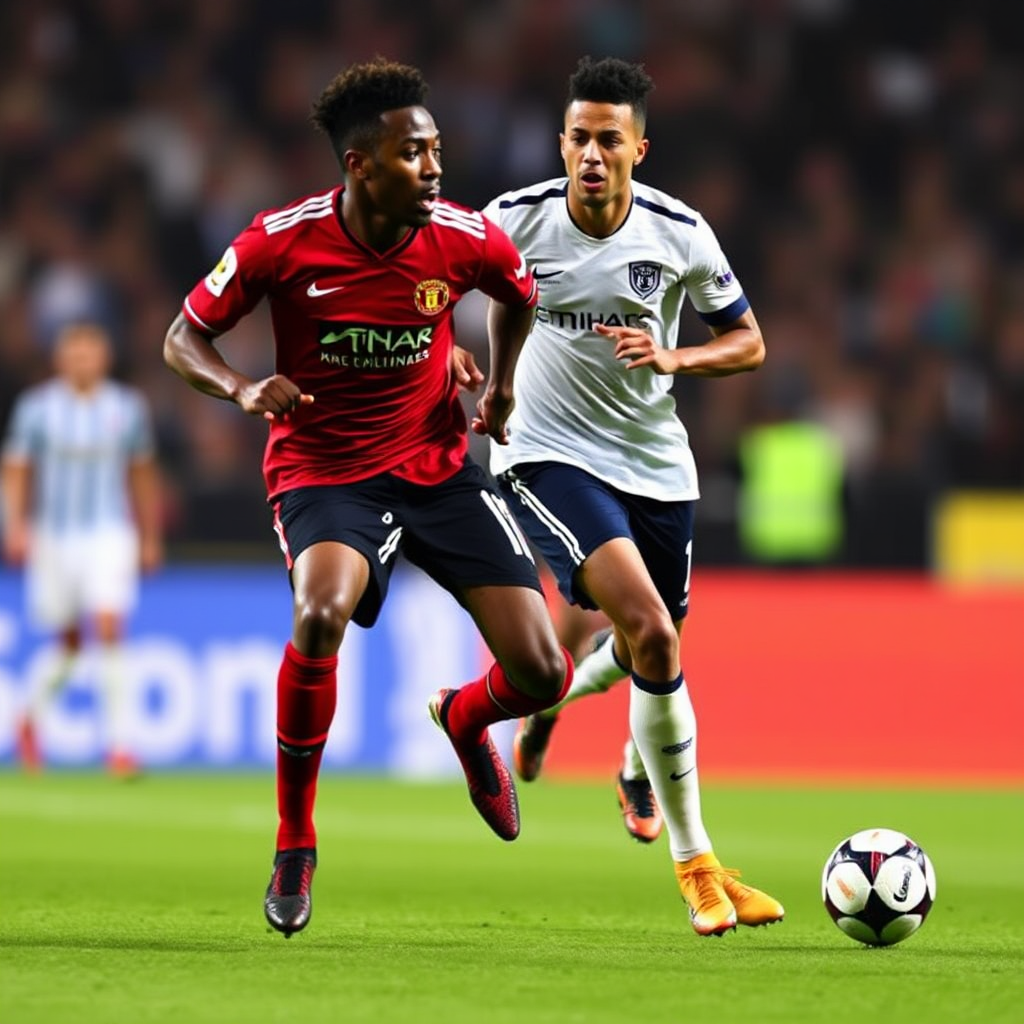
Performance metrics for these phases are monitored through standardized tracking protocols. Broadcast data providers and internal analytics departments capture pass completion rates within restricted zones, successful defensive pressures per ninety minutes, and shot conversion efficiency relative to location on the pitch. Clubs that invest in granular measurement can identify micro-adjustments before small inefficiencies compound into match-defining swings. For followers seeking real-time compilation of these indicators, professional aggregation platforms such as 789club provide centralized dashboards where updated figures align with official match clocks and referee reports. While third-party interfaces improve accessibility, verification through league-published summaries remains essential for accuracy.

Media Coverage and Stakeholder Perspectives
Journalistic outlets covering Inter’s Champions League campaign emphasize the balance between aesthetic control and pragmatic results. Pundits frequently contrast the current structural approach with earlier tournament phases marked by more aggressive verticality, noting that the shift correlates with improved consistency against defensively organized opponents. Analysts highlight the importance of set-piece organization, pointing to rehearsed routines that create separation through decoy movements and timed runs into unmarked zones. Broadcast commentators also observe how leadership structures have matured, with veteran operatives dictating tempo changes and younger players adapting faster to rotational demands.
Fan communities and regional supporter networks engage extensively with post-match breakdowns, often debating substitution timing and formation flexibility. Social media threads dissect video replays focusing on off-ball positioning, pressing coordination, and spatial awareness during transitional moments. Sports economists note that European tournament progress carries significant financial implications, influencing transfer market positioning and commercial valuation cycles. Consequently, organizational decisions reflect both sporting objectives and broader institutional stability. The intersection of athletic performance, financial planning, and public expectation creates a complex ecosystem where every tactical choice carries multiplied consequences beyond the ninety-minute boundary.
| Performance Metric Category | Current Operational Focus | Strategic Objective |
|---|---|---|
| Midfield Transition Efficiency | Accelerated directional switching under pressure | Reduce turnover exposure while maintaining possession rhythm |
| Defensive Line Synchronization | Coordinated height adjustment based on ball location | Compress central passing corridors and limit through-ball opportunities |
| Set-Piece Execution Variance | Multiple rehearsed routines targeting near/post zones | Generate high-probability scoring chances without relying on open-play isolation |
| Forward Movement Coordination | Timed diagonal runs and shadow positioning behind banks | Stretch compact defenses and create crossing lanes or cut-back options |

Upcoming Fixtures and Strategic Considerations
The remainder of the Champions League schedule will test Inter’s depth and adaptive capacity. Knockout-phase matchups typically feature teams that study earlier performance patterns extensively, implementing specialized instructions to neutralize signature attacking sequences or exploit transitional vulnerabilities. Coaching staffs prepare alternative scenarios to handle varying referee interpretations, weather conditions, and pitch dimensions that influence pace and bounce characteristics. Fixture congestion amplifies the importance of load management, requiring precise communication between medical personnel, strength coaches, and tactical directors to prevent cumulative fatigue from degrading decision-making speed.
Preparation methodologies emphasize scenario-based rehearsals rather than repetitive drill accumulation. Teams run condensed simulations reflecting likely opponent configurations, allowing players to internalize spatial responsibilities before stepping onto the matchday surface. Video analysis focuses on identifying recurring weaknesses in second-phase possession, late-game concentration lapses, and communication breakdowns during set-piece defensive assignments. Physical conditioning programs incorporate sport-specific interval training that replicates match-intensity fluctuations, ensuring muscular resilience aligns with cognitive sharpness throughout extended competitive windows. Success in later rounds depends less on singular heroic performances and more on collective reliability across every operational phase.
Targeted Guidance for Reader Categories
- Casual Supporters: Focus on viewing patterns rather than chasing minute-by-minute scorelines. Observing how shape maintains coherence during pressing traps and transitional recoveries provides clearer insight into long-term competitiveness than isolated highlight segments.
- Tactical Analysts: Track off-ball movement density in final-third entry zones. Identify which players initiate sequence breaks, how wingbacks time overlapping runs relative to ball carrier positioning, and whether defensive screens adjust height predictably or reactively.
- Broadcast Production Teams: Utilize multi-angle replays to examine spacing geometry during set-piece executions. Compare pre-snap positioning layouts with actual execution routes to assess routine effectiveness and coaching preparation quality.
- Fantasy and Projection Models: Weight consistency metrics over peak-output volatility. Prioritize participants who demonstrate reliable involvement in progressive passes, successful defensive pressures, and high-chance creation regardless of final outcome notation.
- Youth Development Scouts: Monitor integration pacing for recently promoted athletes. Evaluate how quickly newcomers adapt to rotation cycles, communicate situational cues, and execute role-specific tasks without disrupting established unit rhythm.
Evaluating Inter Milan’s current Champions League trajectory requires separating headline narratives from underlying structural realities. The squad’s commitment to controlled possession, disciplined transitional marking, and systematic set-piece design reflects a mature competitive philosophy built for sustained European contention. Observers who prioritize pattern recognition over momentary fluctuations will gain accurate readings of where the project currently stands and where strategic refinements remain necessary. Tournament progression ultimately rewards preparation consistency, physical preservation, and collective accountability across every operational tier.