
The allure of chance
The thrill of uncertainty is a significant factor that draws individuals into casinos. People are naturally attracted to risk and adventure, and gambling offers an immediate avenue to experience these sensations. The prospect of winning big, combined with the unpredictability of outcomes, fuels excitement. This psychological interplay drives individuals to embrace the possibility of loss while yearning for the reward that accompanies a lucky break. For those seeking high stakes, payid online pokies can enhance the gaming experience, offering an ideal setting filled with vibrant lights and energetic ambiance that heightens this sense of anticipation.
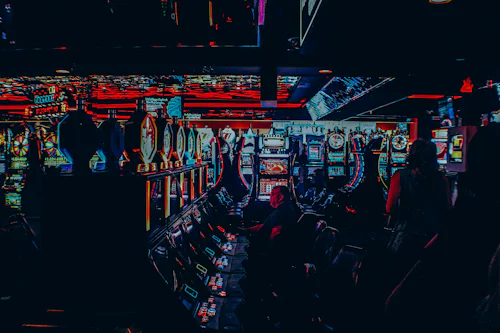
Moreover, the chance of winning can also trigger various emotional responses. For many, the excitement of playing seems to outweigh the potential loss, leading to a euphoric state often referred to as “gambling high.” This feeling is produced by a rush of adrenaline and the release of dopamine, a neurotransmitter linked to pleasure and reward. As this cycle of exhilaration continues, it reinforces the behavior, compelling individuals to return for more. Each visit to a casino becomes a new opportunity to recreate that exhilarating experience, making it hard for them to resist.
Interestingly, this draw to chance is often linked to the concept of escapism. Life can be mundane and stressful, and the unpredictable nature of gambling allows individuals to momentarily escape their everyday worries. Entering a casino transforms reality into a fantastical world where anything can happen. This allure serves as an emotional refuge, where players can indulge in fantasies of success and wealth, disconnecting momentarily from their concerns. As a result, many players may find themselves returning to casinos for not just the chance of winning, but for the psychological relief it brings.
The social dynamics of gambling
Gambling is not always a solitary activity; it often takes on a social dimension as individuals gather in casinos to share experiences. The communal atmosphere enhances the appeal of gambling, as people are drawn to the idea of enjoying time with friends or meeting new acquaintances. The shared excitement of cheering for a winning spin or a lucky hand creates bonds that can enhance the overall experience. This social interaction can amplify feelings of euphoria and increase players’ engagement with the games they play.
Additionally, social influences play a significant role in gambling behavior. Many players are motivated by the presence of others and the collective energy of the crowd. Whether it’s a friend encouraging them to try a game or a group celebrating a win together, these interactions can elevate the thrill of the moment. Even the mere act of observing fellow players can be enthralling, as it creates an environment charged with anticipation and excitement. This social setting reinforces the decision to gamble and can sometimes lead to riskier behavior as individuals feel a sense of camaraderie and shared goals.
However, these social connections can have a double-edged effect. While gambling can foster friendships and strengthen relationships, it can also lead to peer pressure. People may feel compelled to gamble beyond their means to keep up with friends or to maintain their social standing within a group. This aspect of social dynamics highlights the importance of understanding one’s gambling motivations and establishing personal limits to avoid potential pitfalls associated with social gambling culture.
The role of reward systems
The human brain is wired for rewards, and gambling plays directly into this psychology. Casinos are designed to exploit the brain’s natural reward systems through various mechanisms, from enticing sound effects to colorful graphics. When players engage in gambling, they can experience dopamine surges with wins, which reinforces the behavior and encourages repeat participation. Each time a player wins, no matter how small the amount, it activates this reward pathway, creating a cycle that is hard to break.
Moreover, the concept of variable reinforcement enhances the addictive nature of gambling. Unlike fixed rewards, where outcomes are predictable, gambling often yields unpredictable rewards, leading to increased excitement and motivation. This unpredictability creates a compelling dynamic where players keep returning, hoping for that next big win. Even when losses occur, the anticipation of winning can be enough to keep players engaged, as they believe in the possibility of achieving their desired outcome. This cycle of hope and disappointment solidifies the hold gambling can have on individuals.
In essence, this interplay between the brain’s reward systems and the environment of casinos creates a potent mix that captivates players. The design and layout of casinos are intentionally crafted to prolong engagement, with strategically placed lighting and seemingly endless games, ensuring that players remain immersed in the experience. Understanding this psychological aspect sheds light on why gambling can become a compulsive activity for some, highlighting the need for awareness of the underlying motivations at play.
The impact of emotions and mindset
The emotional state of players can significantly influence their gambling behaviors. Many individuals turn to casinos seeking an emotional uplift or a distraction from negative feelings, such as stress or sadness. This emotional connection can lead to impulsive decisions as players attempt to seek solace in the thrill of gambling. Unfortunately, such circumstances can result in a cycle of chasing losses, where players continue to gamble in hopes of recouping previous losses, often leading to deeper financial troubles.
Conversely, positive emotions can also play a role in gambling. People experiencing joy or excitement may be more inclined to take risks, believing that their good mood translates into better luck. This phenomenon is often seen when players celebrate wins with increased betting or trying their luck at more challenging games. Understanding how emotions can influence decision-making is crucial for players to maintain control over their gambling habits, allowing them to make more rational choices rather than being swayed by temporary feelings.
Furthermore, fostering a healthy mindset while gambling can be crucial for managing emotions effectively. Players can benefit significantly from self-awareness and setting limits on their spending and time. Approaching gambling with a clear mindset, recognizing it as a form of entertainment rather than an avenue for financial gain, can shift the perspective and mitigate the risks associated with emotional gambling. This approach promotes responsible gaming and enhances the overall experience, allowing individuals to enjoy the thrill without succumbing to destructive behaviors.
Understanding responsible gaming resources
In light of the psychological factors influencing gambling behavior, it is essential to highlight the resources available for responsible gaming. Many casinos and gaming establishments recognize the importance of promoting healthy habits and have implemented programs to support this initiative. These resources aim to educate players about the risks associated with gambling and provide tools for setting limits on their activities. Such measures play a vital role in fostering an environment where individuals can enjoy gaming responsibly while minimizing potential harm.
Additionally, many organizations offer support for those who may be struggling with gambling-related issues. These organizations provide counseling, advice, and resources for individuals wanting to regain control over their gambling habits. By fostering awareness of these resources, players can make informed decisions about their gaming behavior, ensuring that the entertainment remains enjoyable without spiraling into compulsive patterns. Education about the risks involved sets the foundation for creating a safer gaming culture.
Ultimately, understanding the psychology of gambling and recognizing the importance of responsible gaming can significantly enhance one’s overall experience. By promoting awareness and providing access to support, individuals can engage in gambling as a leisure activity, free from the negative consequences that can arise from problematic behaviors. As players learn to balance the thrill of risk with conscious decision-making, the enjoyment of casinos can maintain a positive and entertaining atmosphere.